

The Real Value of Gutter Guards
If you’ve ever cleaned your gutters, you already know the experience falls somewhere between “annoying” and “why am I risking my neck for wet leaves?” That’s usually the moment when gutter guards start sounding like a brilliant invention. But are they actually worth the investment, or just another home improvement upgrade that looks good on paper?
Let’s talk about it realistically – no miracle claims, no fear tactics, and no pretending gutters magically take care of themselves.
Why Gutters Become a Problem So Easily
Gutters are meant to move water safely away from your home. The issue is that they also collect everything else nature throws at them: leaves, pine needles, shingle granules, and whatever else decides to land there.
Once gutters clog, water stops flowing properly. It overflows, runs down siding, pools near the foundation, or backs up under shingles. This is why the vital role gutters play in property protection is often underestimated until visible damage shows up.
What Gutter Guards Actually Do (and Don’t)
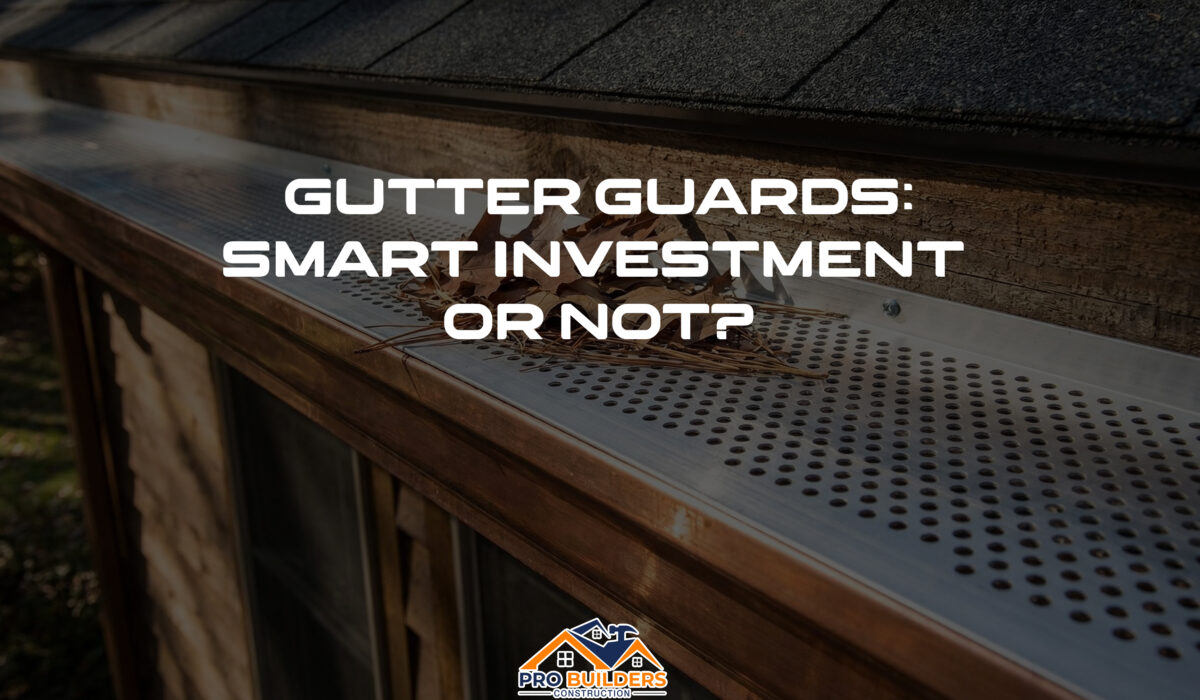
Gutter guards are designed to reduce how much debris gets into your gutters while still allowing water to pass through. They don’t make gutters maintenance-free, but they can significantly reduce how often they need attention.
Depending on the system, they either block larger debris or filter out smaller particles. When they work as intended, water flows more consistently during heavy rain and snowmelt, which helps prevent overflow issues that quietly damage exterior components over time.
The Real Benefits Homeowners Notice
The biggest advantage of gutter guards is consistency. When gutters stay clearer for longer, water behaves the way it should – moving away from the home instead of finding creative new paths inside it.
That consistency matters because drainage issues rarely announce themselves loudly. More often, they contribute to moisture problems that build slowly and eventually turn into repairs that could have been avoided. Homeowners who wait too long often discover that delaying small exterior issues can lead to much larger repairs.
There’s also a safety benefit. Fewer cleanings mean fewer ladder trips, which is a win for anyone who doesn’t enjoy balancing tools twenty feet in the air.
The Downsides No One Advertises
Here’s the part that doesn’t make it into sales brochures: gutter guards still require some maintenance. Debris can collect on top of them, and fine material can eventually get through.
Cost is another consideration. High-quality systems last longer and perform better, but they come with a higher upfront price. Cheaper systems often struggle in real-world conditions, especially during winter when ice becomes part of the equation.
Installation quality matters just as much as the product itself. Poorly installed guards can cause water to overshoot the gutter entirely, which defeats the purpose and sometimes makes drainage worse than before.
Are They Worth It for Most Homes?
For homes surrounded by trees or properties that deal with frequent clogs, gutter guards often make sense. Over time, they can reduce maintenance and help protect components that are already under stress.
This is especially true for homes where common signs of roof aging are closely tied to long-term drainage problems.
That said, gutter guards aren’t a shortcut around existing issues. Installing them on damaged, poorly pitched, or undersized gutters won’t fix the underlying problem – it just hides it for a while.
Final Thoughts: Smart Upgrade or Just Another Add-On?
Gutter guards aren’t magic, and they’re not useless either. When chosen correctly and installed properly, they reduce maintenance headaches and help prevent avoidable water damage.
If you’re unsure whether gutter guards make sense for your home – or whether your gutters are even ready for them – getting a professional assessment beats guessing every time.
At Pro Builders Construction, we help homeowners make practical, long-term decisions about their gutters, roofs, and drainage systems. If you’re considering gutter guards or want to make sure your current setup is actually protecting your home, reach out before minor issues turn into expensive repairs.