- By Admin
- Home Improvement
- 0 Comment
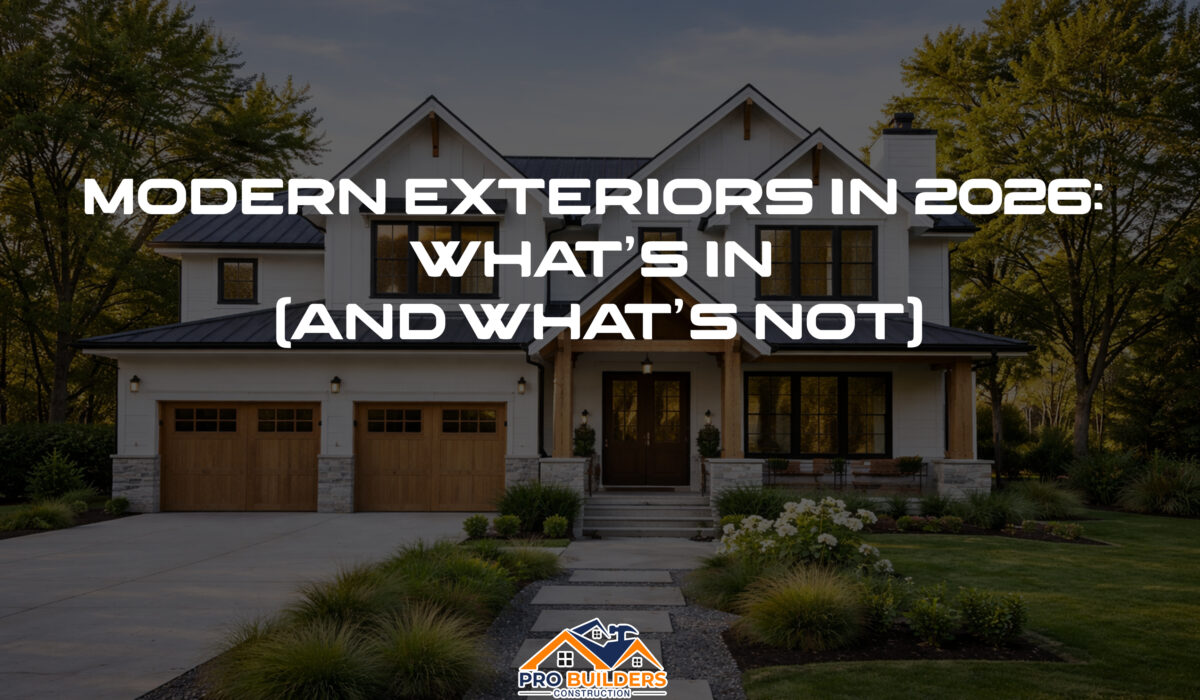
2026 is changing how homes look – from the roof down.
Exterior trends don’t change just to annoy homeowners – but sometimes it feels that way. One year everything is beige, the next year beige is apparently a crime. As we head into 2026, siding colors and roofing styles are moving in a clear direction: cleaner, warmer, more intentional choices that boost curb appeal without screaming “I watched one home makeover show and panicked.”
If your exterior feels dated, it’s usually not because it’s falling apart. It’s because colors fade, styles age, and suddenly your house looks like it’s still mentally in 2008. Let’s talk about what’s trending in 2026, and more importantly, why these choices actually work.
Siding Colors in 2026: Calm, Warm, and Definitely Not Boring
Bright whites and cold grays had a long run, and honestly, they’re tired. In 2026, siding colors are leaning warmer and more grounded. Think shades that feel intentional instead of default.
Warm neutrals are leading the way. Soft taupes, creamy off-whites, and light sand tones are replacing stark whites. They reflect light beautifully without showing every speck of dirt five minutes after installation. Homeowners like them because they feel clean, but not clinical.
Earthy tones are making a strong comeback. Olive greens, muted sage, clay-inspired browns, and soft charcoal blends are showing up everywhere. These colors work especially well on homes surrounded by trees or older neighborhoods where ultra-modern palettes can feel out of place.
Dark siding is still popular, but it’s more refined. Instead of flat black or harsh navy, 2026 is favoring deep graphite, smoky blue-gray, and warm charcoal. These shades add drama without turning your house into a heat magnet or a maintenance nightmare.
Of course, color trends only work when the siding itself is still doing its job. Fading, cracking, or warped panels don’t magically look better just because they’re trendy. Many homeowners start noticing the shift when they spot early warning signs that siding needs attention, usually right around the time the house stops looking “fresh.”
Roofing Styles for 2026: Texture, Contrast, and Quiet Confidence
Roofs don’t get enough credit for curb appeal. People obsess over siding color and then slap on whatever shingle was cheapest that week. In 2026, roofing styles are getting more intentional – and it shows.
Architectural shingles continue to dominate. Flat, three-tab shingles are slowly being left behind in favor of dimensional styles that add depth and shadow. They simply make homes look more finished, especially from the street.
Color-wise, roofing is shifting away from jet black and leaning into blended tones. Weathered wood, driftwood gray, and charcoal blends create contrast without overpowering the rest of the exterior. These shades also hide wear better over time, which is always a win.
Metal roofing isn’t just for farmhouses anymore. Standing seam metal roofs in matte black, dark bronze, and muted gray are becoming more common – even in suburban neighborhoods. They pair surprisingly well with modern siding colors and last long enough to outlive most trends.
Of course, style doesn’t mean much if the roof underneath is already struggling. Many homeowners first realize something’s off when they notice subtle signs of roof aging that don’t look dramatic – but quietly affect both appearance and performance.
Mixing Siding and Roofing the Right Way (So It Doesn’t Look Random)
The biggest exterior mistake we see isn’t choosing the “wrong” color – it’s choosing combinations that don’t talk to each other.
In 2026, contrast is intentional. Light siding with a darker roof creates a clean, grounded look. Dark siding paired with a slightly lighter or blended roof keeps the exterior from feeling heavy. The goal is balance, not matching everything like it came in a kit.
Texture also matters more than ever. Smooth siding paired with dimensional shingles adds visual interest without being busy. Metal roofing works best when the siding is simple and clean, letting the roof be the statement piece.
And yes, curb appeal still depends on condition. Even the best color pairing won’t save a roof that’s trapping moisture or an exterior that hasn’t been properly ventilated. That’s why proper airflow inside the roof system quietly plays a role in how long these trendy choices actually look good.
Why 2026 Trends Are About Longevity, Not Just Looks
What makes 2026 exterior trends different is that they’re not chasing shock value. They’re practical. Warmer tones hide dirt better. Blended roofing colors age more gracefully. Modern materials are chosen because they hold up, not just because they photograph well.
Homeowners are realizing that curb appeal isn’t just for resale – it’s about not cringing every time you pull into the driveway. And trends that focus on durability tend to stick around longer than flashy ideas that age in two seasons.
Final Thoughts: Make Trends Work for Your Home, Not the Other Way Around
Trends are helpful, but your home doesn’t need to follow them blindly. The best exterior upgrades in 2026 combine modern colors, smart roofing choices, and materials that actually last. When those pieces come together, curb appeal stops being a temporary glow-up and starts being a long-term upgrade.
If you’re thinking about updating your siding, replacing your roof, or simply want an honest opinion on what would actually improve your home’s exterior, Pro Builders Construction is here to help. Reach out for a professional assessment, and let’s make sure your home looks current, protected, and a little bit better than your neighbor’s – without trying too hard.